
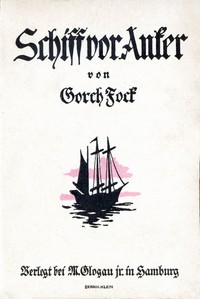
Schiff vor Anker: Erzählungen by Gorch Fock
Let's be clear from the start: 'Schiff vor Anker' (which translates to 'Ship at Anchor') isn't a novel with a single, driving plot. It's a collection of short stories and sketches that paint a complete picture of maritime life around 1900. Gorch Fock, born Johann Kinau, wrote from direct experience—he knew the ropes, the fear, and the beauty firsthand.
The Story
The book doesn't follow one character. Instead, it moves between perspectives. We meet young deckhands facing their first brutal storm, feeling both terror and a strange thrill. We sit in harborside taverns with old sailors whose best stories are etched in the lines on their faces. We glimpse the lives of the women waiting on shore, their fates tied to the weather reports. A story might simply detail the backbreaking work of hauling nets, or capture the eerie calm of a 'ship at anchor'—a moment of restless peace between voyages. The real narrative is the sea itself: a character that is beautiful, generous, and terrifyingly indifferent all at once.
Why You Should Read It
I loved this book for its absolute authenticity. Fock doesn't glamorize anything. The prose is clear, vivid, and often quietly powerful. You can feel the cold spray and the ache in a sailor's muscles. The themes are timeless: community, solitude, man's smallness against nature, and the deep pull of home. The characters feel real because they are drawn without sentimentality—they're stubborn, superstitious, funny, and deeply resilient. Reading it, I didn't just learn about their world; I felt, for a few hours, like I was part of it. It’s a masterclass in setting and mood.
Final Verdict
This book is perfect for readers who love immersive historical settings and character-driven slices of life. If you enjoyed the gritty realism of books like 'The Perfect Storm' or the atmospheric coastal tales of writers like Daphne du Maurier, you'll find a kindred spirit in Gorch Fock. It's also a fantastic pick for anyone interested in German literary realism or maritime history. Fair warning: it's a slow, contemplative read, not a page-turning thriller. But if you let it, 'Schiff vor Anker' will pull you into a vanished world and leave you with a profound respect for the people who lived and worked on the rolling sea.
This digital edition is based on a public domain text. You do not need permission to reproduce this work.
Emily Thompson
5 months agoThe clarity of the concluding remarks is very professional.
Jackson Smith
1 year agoFinally a version with clear text and no errors.
Amanda White
2 years agoFast paced, good book.
Dorothy King
2 years agoA bit long but worth it.










Barbara Johnson
2 months agoGiven the current trends in this field, it manages to maintain a consistent flow even when discussing difficult topics. I'm glad I chose this over the other alternatives.