eBooks
91 Books foundWelcome to the QIUIQ Public Domain Literature Archive
This archive brings together 91 public-domain books, each accompanied by an editorial note that highlights structure, themes, and reading pathways. The collection spans juvenile adventure, school stories, fantasy, historical fiction, and psychological novels, with a focus on works from the 19th and early 20th centuries.
Browsing Methods
Readers can explore the archive by category, by browsing the full list at /ebooks, or by following the three practical reading paths outlined below. Each book record includes a title, author, publisher, keywords, target reader, and a catalogue note that explains the editorial focus. Use the category pages to find related works quickly.
Book-Record Information
Every book entry displays the original title and author(s), digital source (Project Gutenberg), a set of Library of Congress Subject Headings as keywords, a target-reader field indicating the intended audience, and a supplementary catalogue note. This note does not provide a full plot summary but highlights narrative devices, thematic concerns, or editorial rationale.
Source Attribution
All texts originate from Project Gutenberg, a digital library of public-domain works. The catalogue notes and editorial materials are prepared by the catalogue project, and uses available source material and catalogue context and analysis. No external funding or institutional affiliations exist.
Categories Overview
The archive is divided into four categories: Exploration Survival Adventure Tales (adventure tales and outdoor stories), Fantasy Juvenile Worlds (school stories, moral dilemmas, and social settings), Science Fiction Utopias (fantasy, science fiction, and imaginative voyages), and Historical Psychological Social Fiction (historical, romantic, and psychological works). Each category page offers a guide with three recommended titles and a discussion of how the books relate.
Three Practical Reading Paths
Path One: Start with Childhood Classics — Begin with the Childhood Classics category. Try Don Quixote of the Mancha, Retold by Judge Parry for a condensing of a classic quest, then move to Snagged and Sunk for canoe adventures, and finish with Baron Trump's Marvellous Underground Journey for a fantastical descent. These share a focus on resourcefulness and peril.
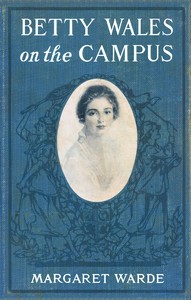
Path Two: Investigate Social Change — Use the Fantasy Juvenile Worlds category. Read Rough and Ready for newsboy life in New York, then Making the Nine for school sports dynamics, and Betty Wales on the Campus for college friendships. Themes of ambition, justice, and community recur.
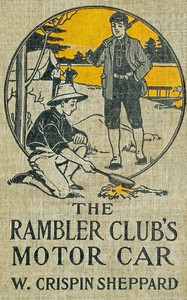
Path Three: Travel to Cosmic Journeys — Follow the Cosmic Journeys category. Start with Winnie-the-Pooh for gentle fantasy, then Young Visitor to Mars for interplanetary adventure, and The Rambler Club's Motor Car for a road-trip mystery. These blend imagination with place-based exploration.
Navigating the Archive
Use the full list to see all titles, or visit category pages for curated selections. The Editorial Standards page explains how materials are prepared. For questions, contact the catalogue project via the contact form.
Bibliographic dates and catalogue measurements
The catalogue distinguishes the Project Gutenberg digital release from a work’s original or first publication. Project Gutenberg is identified as the digital source for the edition available here; its release year is therefore shown as Gutenberg Release Year, not as the work’s original publication year.
When an explicit first-publication or issue date can be supported directly by the title or issue information, it may be shown separately as First Publication Year. When that date cannot be confirmed, the catalogue displays Not confirmed rather than guessing a year.
Where the source text can be measured reliably, the catalogue may provide word count and estimated reading time. These measurements describe reading scope and are not quality rankings.
The current catalogue contains 4 active subject categories: Exploration Survival Adventure Tales, Fantasy Juvenile Worlds, Science Fiction Utopias, and Historical Psychological Social Fiction. Categories are browsing aids and may overlap where a work reasonably fits more than one subject.

- Featured