
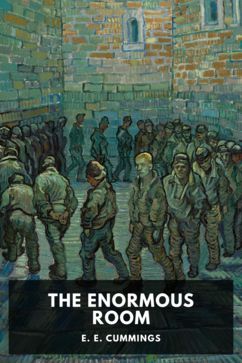
The Enormous Room - E. E. Cummings
Most people know E. E. Cummings for his playful, unconventional poetry. Fewer know he wrote one of the most unusual books to come out of World War I. 'The Enormous Room' is his account of a massive misunderstanding that landed him in a French military prison.
The Story
Cummings went to France in 1917, full of idealism, to drive an ambulance. He and a friend wrote letters home that raised suspicion with French censors. Without a real trial, they were labeled 'undesirables' and shipped off to a detention camp called La Ferté-Macé. The book is his diary of those three and a half months. The 'enormous room' is the crowded, filthy barracks where dozens of men from all over Europe are held. The plot isn't about escape; it's about survival. Cummings watches the guards, endures the boredom and hunger, and most importantly, gets to know the other prisoners. He paints vivid portraits of these men—thieves, vagabonds, lost souls—finding dignity and humor in their shared misery.
Why You Should Read It
You should read this because it's like nothing else. It's not a angry rant against injustice, though the injustice is clear. Instead, Cummings observes everything with a poet's precision. He finds the absurdity in the grim routine and the light in the darkest corners. The real heart of the book are the 'Delectable Mountains,' his name for the prisoners who inspire him with their unbroken spirits. His writing makes you feel the chill of the room and the warmth of a shared cigarette. It’s a powerful reminder that humanity doesn't disappear behind bars; sometimes, it shines brighter.
Final Verdict
This book is perfect for readers who love character-driven stories and unique voices. If you enjoy memoirs that focus on the human spirit rather than just events, or if you're a fan of Cummings's poetry and want to see his style applied to a wild true story, pick this up. It's also great for anyone interested in WWI stories that aren't from the trenches. Fair warning: his prose can be challenging, full of inventive descriptions and sudden shifts in tone, but stick with it. The reward is a funny, sad, and profoundly moving look at freedom, friendship, and what we hold onto when everything else is taken away.
Legal analysis indicates this work is in the public domain. It is available for public use and education.
Kimberly Wilson
9 months agoI stumbled upon this title and the flow of the text seems very fluid. Thanks for sharing this review.
Carol Harris
1 year agoAs someone who reads a lot, the content flows smoothly from one chapter to the next. Absolutely essential reading.
John Young
5 months agoAfter hearing about this author multiple times, the depth of research presented here is truly commendable. This story will stay with me.
Joseph Sanchez
4 months agoFinally found time to read this!