
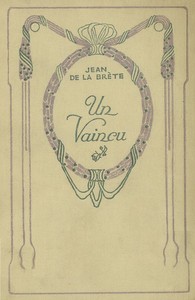
Un vaincu by Jean de La Brète
First published in 1895, 'Un vaincu' (which translates to 'A Vanquished Man' or 'One Who is Defeated') is a historical novel set in the aftermath of the Napoleonic Wars. It’s a story that feels personal, zooming in on the human cost of grand political shifts.
The Story
The book follows Henri de Montluc, a young cavalry officer fiercely loyal to the Bourbon monarchy. When Napoleon returns from exile for the Hundred Days in 1815, Henri fights against him, believing he is defending the rightful king and France's ancient traditions. After Napoleon's final defeat at Waterloo, Henri returns home, expecting to be hailed as a hero and to see his world restored. Instead, he finds a country exhausted, changed, and politically messy. The restored monarchy isn't the noble institution he imagined, and the new society values money and connections over the old codes of military honor and loyalty he lived by. Henri becomes a 'vanquished' man—not by an enemy soldier, but by a new era that renders his ideals obsolete. The plot watches him struggle to find his footing, wrestling with bitterness, disillusionment, and the search for a new purpose in a world that no longer needs his kind of bravery.
Why You Should Read It
What grabbed me about this book is how relatable Henri's crisis feels, even today. It's about that universal fear of becoming irrelevant, of having your core beliefs challenged by reality. La Brète writes with real empathy for her character. She doesn't paint him as a perfect tragic hero; he's often stubborn and a bit lost. That makes his journey more genuine. The book is also a fascinating, ground-level view of the Restoration period in France, a time of uneasy peace and social change that we don't see in many novels. You get the sense of a whole class of people—the old aristocracy and military officers—trying to figure out where they fit in.
Final Verdict
'Un vaincu' is perfect for readers who love historical fiction that focuses on character and internal conflict over sweeping battles. If you enjoyed the psychological depth of novels like 'The Remains of the Day' or the exploration of post-war adjustment in 'The Return of the Soldier', you'll find a similar vibe here. It's a thoughtful, quiet book for a rainy afternoon, best suited for someone who doesn't need a fast plot but appreciates a well-drawn portrait of a man picking up the pieces of his life. A truly overlooked classic about the long shadow of defeat.
This publication is available for unrestricted use. It serves as a testament to our shared literary heritage.
Joseph Rodriguez
8 months agoVery satisfied with the depth of this material.
Ashley Lee
1 year agoAs a long-time follower of this subject matter, it manages to maintain a consistent flow even when discussing difficult topics. The price-to-value ratio here is simply unbeatable.
Paul Lopez
9 months agoI've gone through the entire material twice now, and the argument presented in the middle section is particularly compelling. If you want to master this topic, start right here.
Kimberly Wilson
1 year agoI took detailed notes while reading through the chapters and the language used is precise without being overly academic or confusing. Highly recommended for those seeking credible information.

Jessica Jackson
1 year agoThe clarity of the introduction set high expectations, and the way the author breaks down the core concepts is remarkably clear. If you want to master this topic, start right here.